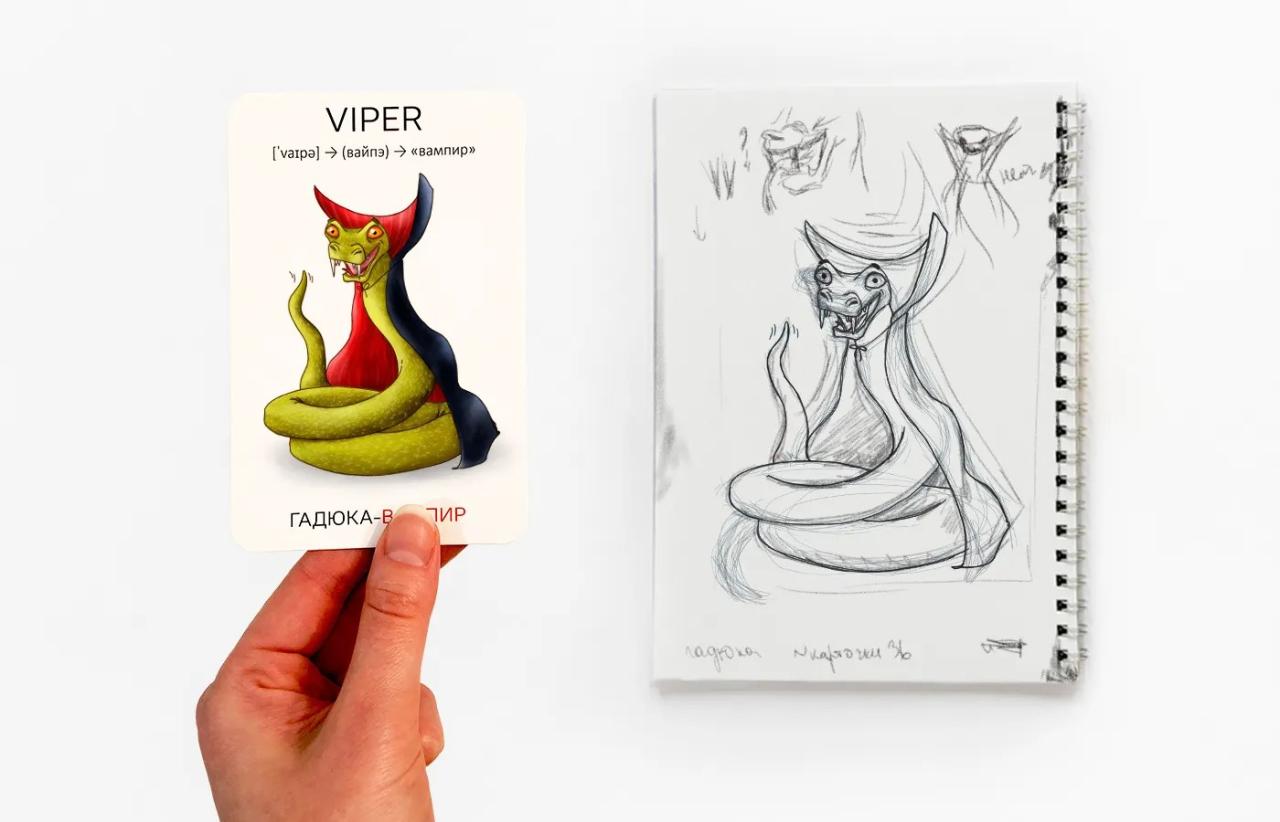
Card game design ideas invite creators to explore a vibrant realm brimming with possibilities, where creativity meets strategy. The foundation of any engaging card game lies in its themes and mechanics, as these elements intertwine to capture players’ imaginations and foster unique experiences. As we delve into this topic, we’ll explore essential aspects such as concept development, prototyping, and community engagement that can take your card game from an initial idea to a fully realized project.
By understanding the importance of player demographics, choosing the right game mechanics, and integrating compelling artwork, designers can craft games that resonate with audiences. Whether you aim to create a competitive thrill or a cooperative adventure, the journey of card game design is filled with exciting opportunities for innovation and expression.
Concept Development
Creating a card game begins with a solid concept, which serves as the foundation upon which the entire experience is built. The theme of the game plays a vital role in this development, as it sets the mood, aesthetics, and narrative. A well-defined theme can captivate players, drawing them into the world you’ve created and providing context for the game’s mechanics.Key elements that contribute to a card game’s narrative include character backstories, the setting of the game, and the overarching storyline.
These elements enhance the player’s immersion and help in building emotional connections with the game. Additionally, understanding player demographics is crucial in shaping game concepts. Different age groups, interests, and gaming preferences can greatly influence the design decisions made throughout the process.
Themes in Card Game Design
Themes provide the backbone of a card game’s identity. Considerations include:
- Cultural references: Incorporating familiar elements can enhance relatability.
- Fantasy vs. realism: Deciding on a fantastical or realistic approach affects art style and mechanics.
- Target audience: Understanding what themes resonate with your players can direct the narrative.
Player Demographics
Player demographics significantly influence the design of card games. Factors to consider:
- Age groups: Games tailored for children often feature simpler mechanics and vibrant art.
- Gaming experience: New players may benefit from straightforward rules, while seasoned players may seek complexity.
- Interests: Themes that appeal to certain hobbies or interests can draw a specific audience.
Game Mechanics
Game mechanics are the rules and systems that dictate how a card game is played. A well-designed mechanic can create an engaging player experience, while poorly executed mechanics can lead to frustration. Integrating various mechanics can enhance gameplay and keep players invested.Examples of mechanics include turn-based and real-time systems. Turn-based mechanics allow players to strategize and plan their moves, while real-time mechanics can increase tension and excitement.
Moreover, the distinction between cooperative and competitive card games can greatly influence the player experience, promoting different types of interactions among players.
Turn-Based vs. Real-Time Mechanics
Understanding the difference between these mechanics is essential for designing engaging gameplay:
- Turn-based mechanics: Players take turns, allowing for strategic planning.
- Real-time mechanics: All players act simultaneously, fostering a sense of urgency.
Cooperative vs. Competitive Card Games
Choosing between cooperative and competitive mechanics can affect player engagement:
- Cooperative games foster teamwork, often requiring players to work together towards a common goal.
- Competitive games create rivalry, encouraging players to outsmart and outplay each other.
Prototyping
Prototyping is a crucial step in game development. Creating a prototype allows designers to visualize their ideas and test them in a practical setting. A prototype doesn’t have to be perfect; it should simply convey the essential mechanics and gameplay experience.Effective playtesting is key to refining a card game. Engaging a diverse group of players can provide valuable insights into the game’s flow and mechanics.
Feedback from playtesting is invaluable, guiding necessary revisions and improvements.
Creating a Prototype
To create a functional prototype, follow these steps:
- Define core mechanics: Focus on the main gameplay loop to keep things straightforward.
- Use readily available materials: Paper and markers can be great for initial tests.
- Gather a playtesting group: Seek feedback from friends, family, or local gamers.
Importance of Feedback
Feedback during the prototyping phase is vital for the following reasons:
- Identifying flaws: Fresh eyes can spot issues that the designer might overlook.
- Enhancing gameplay: Suggestions can lead to improvements in mechanics or balance.
- Building engagement: Early players often feel invested in the game’s development and can become ambassadors for it.
Artwork and Design
Artwork is a critical component of card games, significantly influencing player engagement. The visual design can set the tone and style, creating an immersive experience that complements the gameplay. Choosing the right color palette is essential for communicating the theme and mood of the game. Additionally, card layout and typography play a crucial role in readability and understanding of game mechanics.
Influence of Artwork
The impact of artwork on player engagement can be summarized as follows:
- Visual storytelling: Art can convey narrative elements, enhancing immersion.
- Aesthetic appeal: Attractive designs can draw players in and encourage them to explore more.
- Theme support: Consistent artwork reinforces the game’s theme and atmosphere.
Color Palettes and Card Layout
Guidelines for effective color and layout choices include:
- Color psychology: Different colors evoke specific emotions; choose wisely based on theme.
- Hierarchy of information: Organize elements to guide player attention effectively.
- Readability: Ensure text is legible against the background for better understanding.
Card Types and Functions
Understanding the various types of cards is crucial for designing an engaging game. Cards can serve different functions, including actions, resources, or characters, each contributing to the game’s overall strategy.Balancing card power and effects is essential to maintain fairness and keep gameplay engaging. Additionally, synergy between card types can create deeper strategies and interactions, enhancing the overall experience.
Different Types of Cards
Card types can be categorized as follows:
- Action cards: Represent specific actions players can take.
- Resource cards: Provide players with the necessary resources to perform actions.
- Character cards: Represent players or characters with unique abilities.
Balancing and Synergy
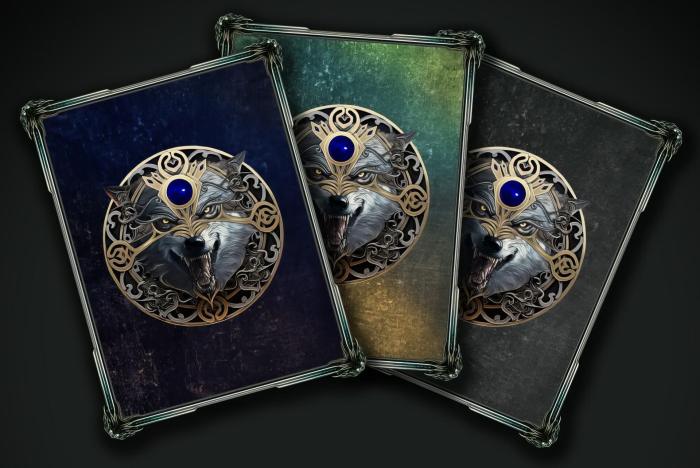
Important aspects of balancing and synergy include:
- Testing power levels: Regular playtesting can help identify overpowered cards.
- Creating combos: Encourage interactions between card types to deepen strategic elements.
- Iterative design: Continuously refining cards based on player feedback helps maintain balance.
Thematic Integration
Weaving a theme throughout card design and mechanics is essential for creating a cohesive game. A strong thematic presence enhances immersion and makes each gameplay session feel unique.Cultural elements can enrich game themes, providing depth and relatability. Successful thematic card games often incorporate engaging features that resonate with players, making them memorable.
Weaving Theme Through Design
To effectively integrate a theme, consider the following:
- Consistent imagery: Ensure all visual elements align with the theme.
- Story elements: Embed narrative aspects within the mechanics and card functions.
- Player experience: Create moments that evoke the theme, enhancing emotional investment.
Cultural Elements and Successful Examples
Cultural elements can impact your game’s theme. Successful thematic card games include:
- Magic: The Gathering: Incorporates various fantasy themes and rich lore.
- Cards Against Humanity: Satirical humor resonates with modern cultural references.
- Gloom: Weaves storytelling into gameplay with a distinct visual style.
Marketing and Distribution
Marketing a new card game requires strategic planning. Identifying the target audience and understanding their preferences can shape promotional efforts. Utilizing social media can enhance visibility and connect with potential players.Choosing the right distribution channels is crucial for indie card game designers. Various platforms are available, ranging from local game stores to online marketplaces.
Marketing Strategies
Effective marketing strategies for card games include:
- Social media campaigns: Use platforms like Instagram and Twitter to showcase your game.
- Influencer collaborations: Partnering with gaming influencers can increase reach and credibility.
- Community-building initiatives: Engaging with potential players through forums and events helps create buzz.
Distribution Channels
Available distribution channels for indie designers include:
- Local game stores: Partnering with stores to host game nights can build a local following.
- Online marketplaces: Selling through platforms like Etsy or Kickstarter can reach a broader audience.
- Direct sales: Building a personal website can facilitate direct sales to consumers.
Community Engagement
Building a community around a card game can enhance player loyalty and enjoyment. Engaging players through events and tournaments fosters a sense of belonging and investment in the game’s success.Leveraging player feedback is crucial for continual improvement. Encouraging input allows for iterative design and keeps the game fresh.
Building a Community
Effective methods for community engagement include:
- Organizing events: Hosting tournaments or game nights can bring players together.
- Online platforms: Use forums and social media groups to facilitate discussions and feedback.
- Recognition: Highlighting community contributions can increase player investment.
Leveraging Feedback
Strategies for utilizing player feedback effectively:
- Surveys and polls: Collect opinions on gameplay experiences to guide future updates.
- Incorporating suggestions: Make players feel valued by implementing their ideas where feasible.
- Continuous dialogue: Maintaining open lines of communication fosters trust and community loyalty.
End of Discussion
In conclusion, the world of card game design is a fascinating blend of art and strategy, where each decision can significantly impact player engagement and overall enjoyment. By focusing on the key elements discussed—from thematic integration to effective marketing—you can develop a card game that not only entertains but also connects players in meaningful ways. Embrace the creative process, seek feedback, and don’t hesitate to experiment as you bring your card game vision to life.
FAQ Section
What are some common themes for card games?
Popular themes include fantasy, science fiction, mythology, and historical settings, each providing a rich backdrop for gameplay.
How can I ensure my card game is balanced?
Balancing can be achieved through playtesting and adjusting card power levels, costs, and interactions based on feedback.
What should I consider during playtesting?
Focus on player feedback regarding mechanics, enjoyment, and clarity of rules to identify areas for improvement.
How do I promote my card game effectively?
Utilize social media, engage with gaming communities, and attend conventions to build awareness and interest in your game.
What types of card games are most popular today?
Collectible card games and deck-building games are especially popular, appealing to both casual and competitive players.


